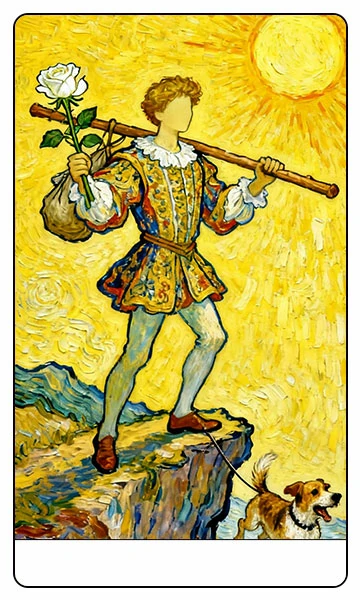
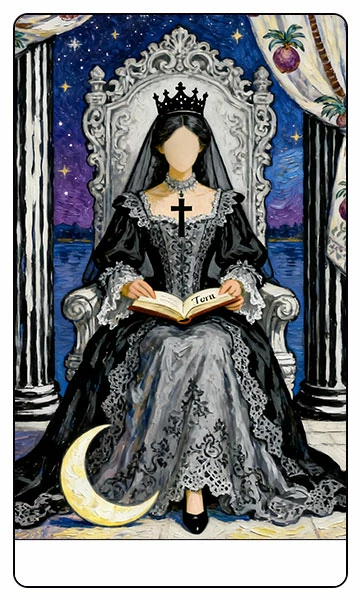
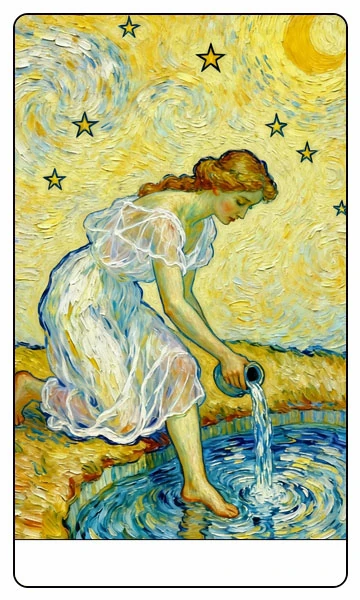
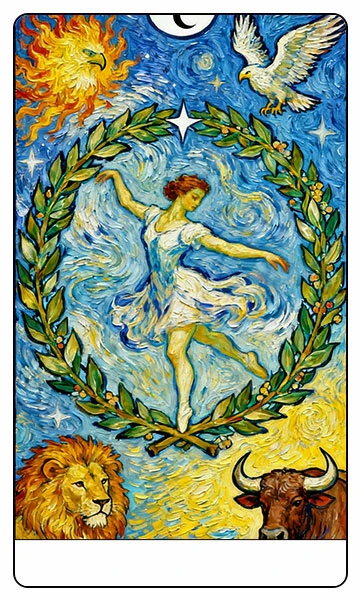
Major arcana
Start with the archetypes that shape the larger story
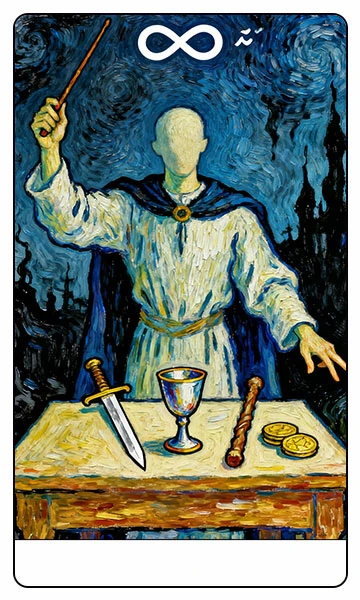
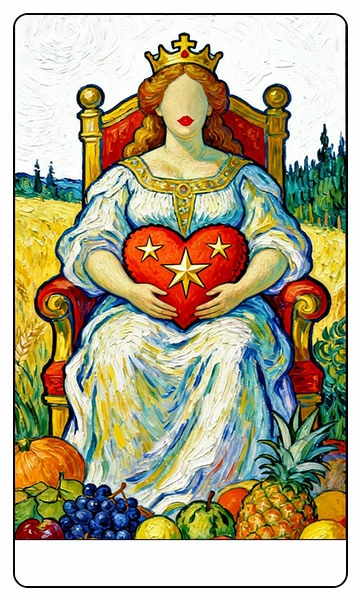
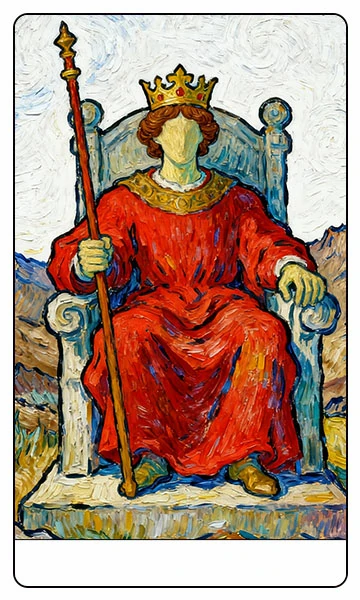
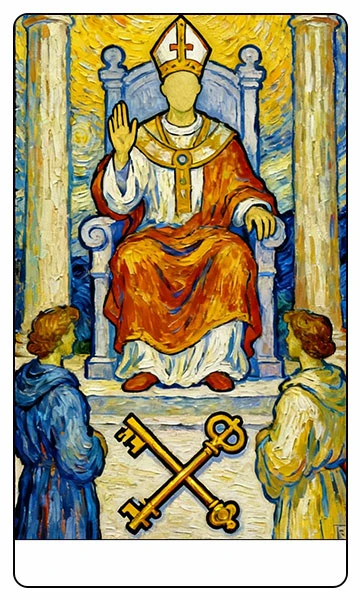
Major arcana cards map turning points, identity shifts, spiritual lessons, and the long themes that define a reading.
Minor arcana
Then move into the cards that explain daily choices, emotion, conflict, and resources
Minor arcana cards make tarot usable in real life. They connect symbolism to relationships, work, money, decisions, and momentum.

Why this page exists
A structured path from tarot card meanings to practical readings
What this tarot guide answers
This page helps readers quickly understand card meanings, the difference between major and minor arcana, and which path to follow next.
How to use it well
Start with the short summary on each card page, then compare upright and reversed meanings against your actual question.
Reference approach
These pages are practical study material for tarot learning and reflection, not medical, legal, financial, or mental health advice.
What should beginners read first?
Start with the major arcana to understand the core archetypes, then move into the minor arcana for everyday situations and practical interpretation.
Why separate major arcana, minor arcana, spreads, and books?
That structure makes tarot easier to learn. It lets you move from symbols, to daily application, to reading methods, and then to longer reference material.
Is this tarot guide meant to replace professional advice?
No. Tarot is useful for reflection and interpretation, but it should not replace professional advice when real-world risks are involved.
Tarot Guide Section
How this tarot guide supports real reading questions
How this tarot guide supports search and real reading questions
A good tarot guide should do more than define cards in isolation. Readers often arrive with practical questions about love, career choices, timing, emotional patterns, or the meaning of a specific draw. This page is structured to answer those intents clearly. You can begin with the Major Arcana when the reading feels life-changing, move into the Minor Arcana when the issue is practical or emotional, and then use Tarot Spreads to match the structure of the question itself. If you prefer deeper comparison, the Recommended Tarot Books section points to longer-form references that help you test meanings across systems instead of relying on a single short interpretation.
A practical study path for beginners and returning readers
If you are learning tarot from scratch, start with a handful of anchor cards rather than all 78 at once. The Fool, The Magician, The High Priestess, Death, and The World give you a fast sense of the deck's larger narrative arc. After that, compare suit-based patterns in the Minor Arcana to see how action, emotion, thought, and material reality behave differently. Readers who want fast application can jump directly into the Daily Reading or Three Card Reading pages, then come back here to verify card meaning in context. This kind of loop between reading and reference tends to improve retention, interpretation accuracy, and search usefulness at the same time.